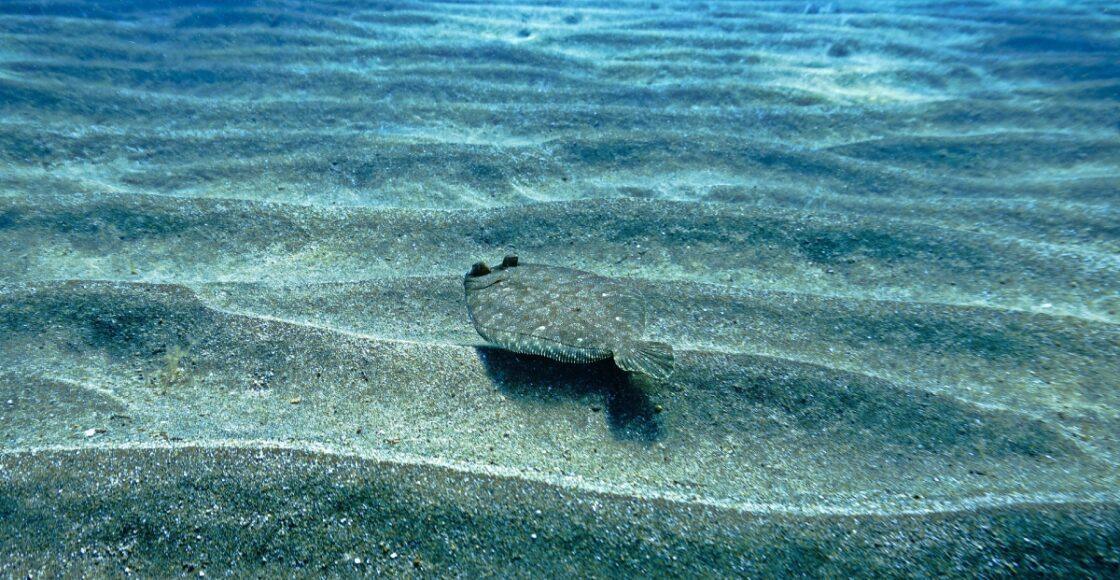
Around 30A and the Panhandle, flounder are one of those fish that show up when you least expect it… and once you get on a pattern, you start looking for them on purpose. They’re an inshore fish here — bays, bayous, passes, channel edges, bridge pilings — the same kind of water most folks are already fishing for trout and reds.
When people say “flounder season,” they usually mean one of two things: when you can keep them, and when they bunch up and get easier to target. Let’s break it down the way local inshore anglers actually think about it.
Florida flounder season dates
Florida does have a closed window for recreational flounder harvest:
-
Closed to harvest: October 15 through November 30
-
Reopens: December 1
Statewide basics most anglers follow:
-
Minimum size: 14 inches total length
-
Bag limit: 5 per person per day
That closure lines up with the fall movement when flounder stage up before spawning — which is exactly why Florida protects that period.
When flounder fishing is best in the Panhandle
In the 30A / Choctawhatchee Bay kind of water, flounder show up all year, but there are a few windows where they’re more “on the menu.”
Late winter into spring
This is a solid time to intentionally target them because fish often hold tight to predictable structure. Cooler water tends to tighten patterns up — you’re looking for current and bottom changes, and you can work a lure slowly without everything else stealing it. (This is also when a lot of Panhandle anglers focus on bay fishing in general.)
Late summer into early October
This is where the flounder talk gets loud. Bait is thick, fish feed hard, and you start seeing more flounder in spots that make sense for a fall push: edges, funnels, and places where current lines up right. Just remember: once you hit October 15, you’re into that harvest closure window.
December and winter (after reopening)
Once the season reopens on December 1, flounder are still very catchable inshore — especially around deeper edges, docks, and any place you can fish slow with the current doing some work.
Where to catch flounder around 30A and Choctawhatchee Bay
If you want flounder in the Panhandle, stop thinking “big flat” and start thinking edges and funnels. Flounder are ambush fish. They set up where something has to pass in front of them.
High-percentage inshore spots:
-
Channel edges and drop-offs (that first “lip” off a flat is prime)
-
Pass mouths and cuts where current pushes bait through
-
Bridge pilings / dock lines with moving water
-
Grass lines with sandy pockets (potholes on the edge are classic)
If you’re fishing Choctawhatchee Bay specifically, flounder are part of the normal fall inshore mix with reds, trout, and drum — and you’ll see them show up on the same types of structure you’re already working.
Baits and lures that catch Panhandle flounder
You don’t need a “special” flounder lure — you need something that stays in the strike zone.
Live bait (hard to beat)
If you’ve got access to the right bait, it’s about as straightforward as it gets:
-
Finger mullet
-
Mud minnows / bull minnows
A common, proven trick is putting that live bait on a jighead and letting it work with the tide along an edge.
Artificial (great when you want to cover water)
-
Soft plastic paddle tails / jerk shads on a jighead
-
Scented plastics (shrimp-style) when the bite is picky
The big key: slow down and stay on bottom
Most folks don’t “miss” flounder because they’re rare — they miss them because they’re fishing too fast or too high in the water column.
A flounder bite might feel like:
-
a soft “tick”
-
the lure just feels heavy
-
or it feels like you hung grass… and it moves
Keep your lure down within a foot of the bottom and move it slow. That’s the whole deal.
Tides and timing that matter
In the Panhandle, flounder love situations where bait has to move:
-
Outgoing tide near passes and cuts can be excellent
-
Any tide stage that creates a clean current seam along a drop-off is worth fishing
If there’s no movement at all, you can still catch them — but your best bites usually come when the water is pushing and you’re fishing the “edge” where stuff is getting swept through.
Quick “don’t accidentally mess up” note
Florida rules specifically call out certain methods as illegal for flounder harvest (including the multiple-hook-with-natural-bait issue and snatching). Most people fishing a single hook/jig are fine — just don’t get creative with rigs during flounder season.
Bottom line
If you’re fishing the 30A / Panhandle inshore water, flounder are very catchable if you do two things:
-
fish edges with current, and
-
keep your bait/lure slow and on the bottom.
And for the season question everyone asks:
-
Harvest closes Oct 15–Nov 30 and reopens Dec 1 in Florida.
Ready to Get on the Water?
Pick the trip that fits your day and your crew — Captain Marvin will handle the rest and tailor the plan to conditions. Book online in minutes and we’ll confirm the details.